
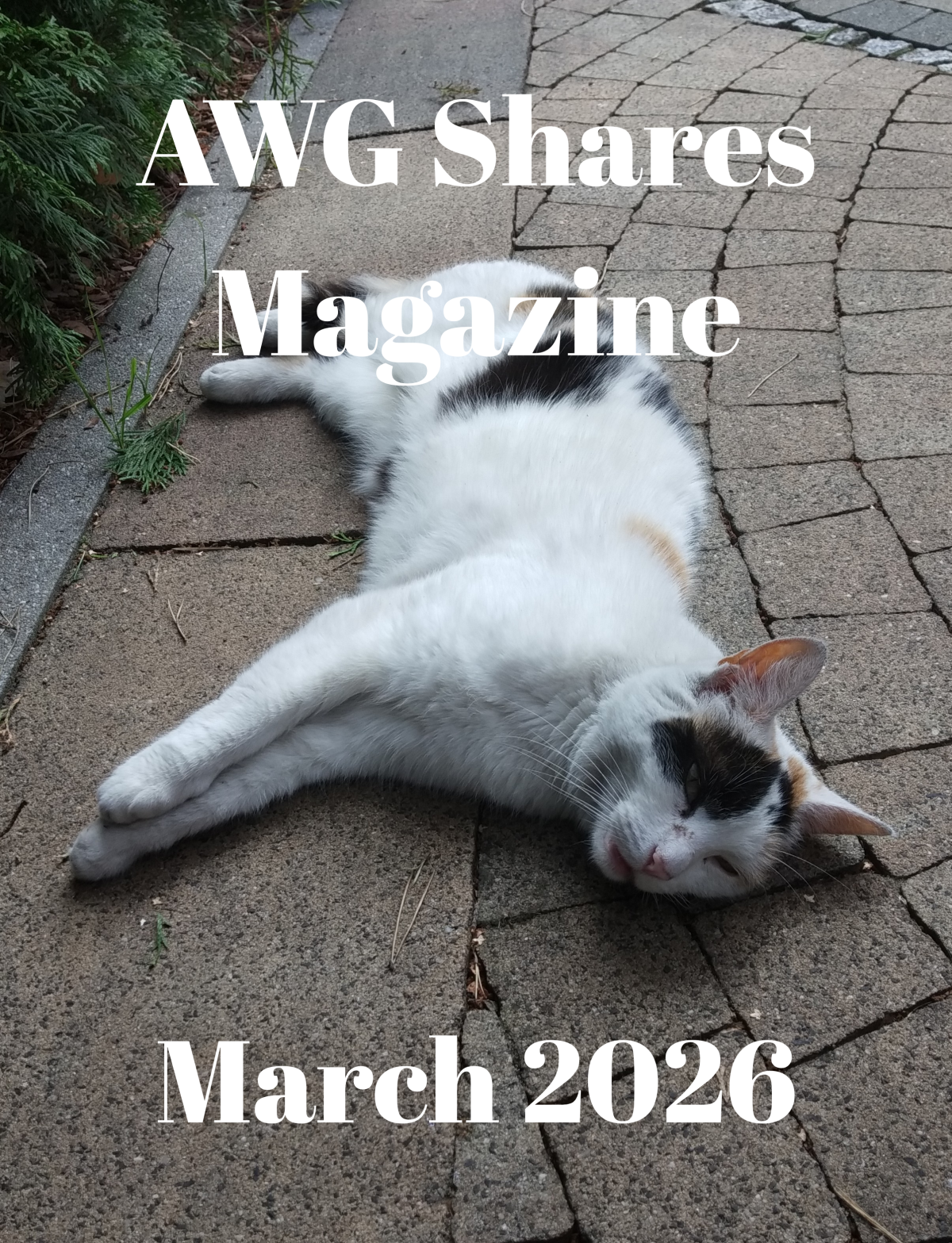
March 2026
Contents
March 2026 • Vol. 2, Nr. 3
Editorial Dept.
Annie Mydla
Sol Iacob
Cover
Annie Mydla
Annie Mydla
By Annie Mydla
by Sarah Jane Cody. Published in Electric Literature
Fan Fiction
A Week for Winnie The Pooh
A Week for Winnie The Pooh
by Christina Donaldson
Short Story
by Gina Raymond
AuDHDers: Work for Yourself Without Burning Out! by Autism Chrysalis
Unmask and Connect by Mary Pasciak
Comics
by Sarah Jane Cody
Sticker
by Elissa Fox
About Autistic Women's Group
Established 2021
AWG is an online support group for late-identified autistic women and all other members of marginalized genders.
The meeting format is designed to reduce the sensory, social, and executive function burdens that normally come with socializing. Our members are clinically-diagnosed, self-diagnosed, and questioning. AWG is volunteer-led and not associated with any other umbrella organization or company.
Please consider joining us on Zoom. Our member profile is inclusive. Meetings are always free and no registration is required. Members share by speaking or typing. We have many members who come just to listen. You never have to turn on you mic or camera if you don't want to. You don't have to come to every meeting, or stay the whole meeting, in order to be a full member. Disclosure of diagnosis/gender identity is welcome but never required for participation.
Click her to learn more about attending a meeting. You can also...
- See upcoming meeting topics
- Sign up for meeting reminders (scroll the homepage to find the signup form)
- Join the AWG subreddit for weekly meeting reminders
- Join our sibling meetings: the AWG Self-Esteem Group, Book Club and Connecting Hour, and Discord server
I hope you enjoy AWG Shares Magazine. And please do join us in a meeting sometime if you can.
Annie Mydla
Founder and facilitator, AWG
Call for covers
We are always in need of covers! Submit a cover, or an image that you would like to see on a cover, at https://autisticwomensgroup.com/submit

Essay
Masking My Autism Made Me Sick
AWG member and Bathrobe Comics creator Sarah Jane Cody has been published in Electric Literature. Click the image or the link to read "Masking My Autism Made Me Sick"
Ecuador Stories #5: Two Travelers Destined to Meet
Stevie Lou Díaz
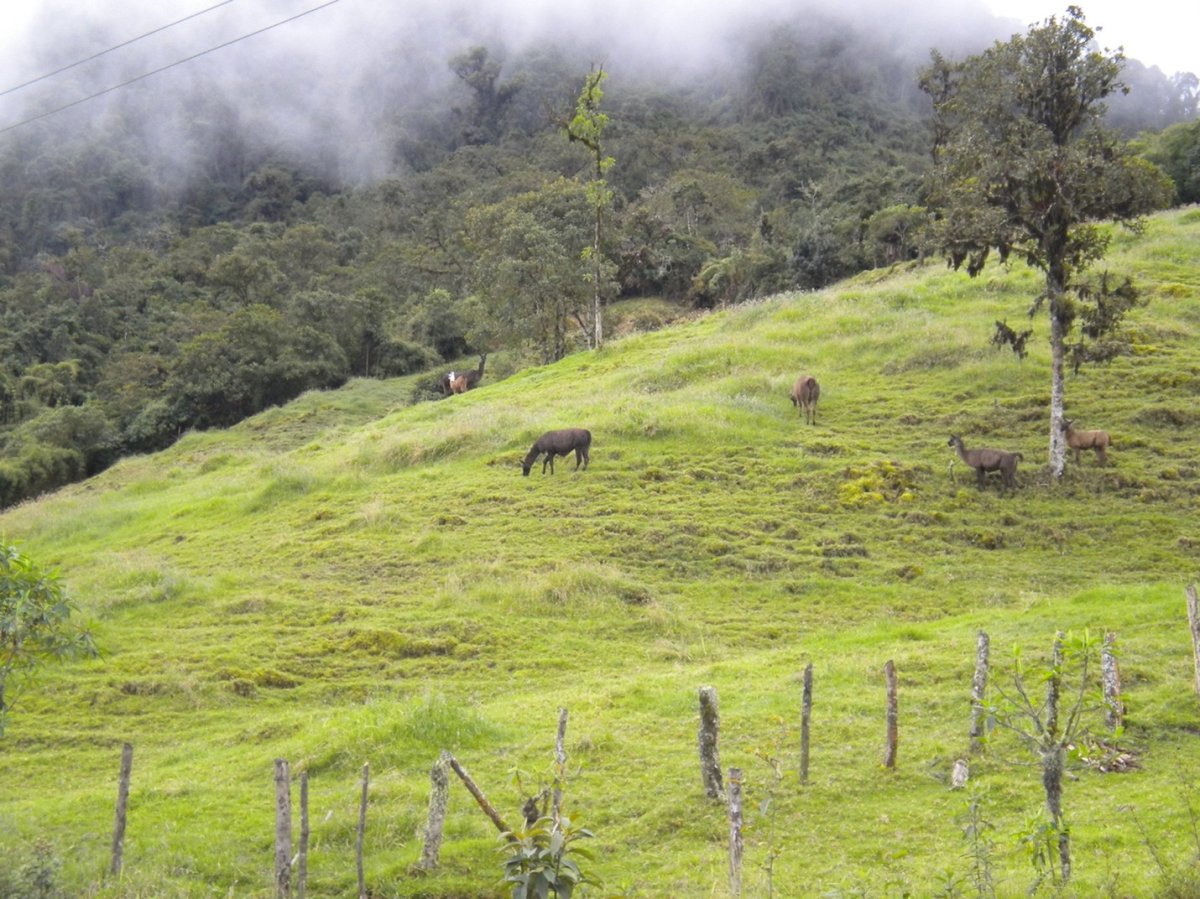
Photo by Stevie Lou Díaz
The local field technicians, John and Jack (names altered) had very different personalities. John was quiet, serious, and informative. Jack was quite tall and brash.
Jack was the one who took us all for a risky ride on his quad after the buses were canceled that day. I would have preferred John to be the driver for that adventure, as John did not seek to impress anyone. During hikes with Jack, the order of our team would be Sarah and Liz in front, then me, then Jack. Jack hiked with a machete and was always hacking at the foliage behind me. I could never figure out how close his machete was swinging by me because I never wanted to stop to figure it out. It sounded too close for comfort. As a result, we hiked pretty fast. At night, I would hear the sound of the machete hacking behind me as I fell asleep.
John, the technician that did not swing the machete behind me, was the mayor de-facto of the mountainside. He offered much information about living there. For example, they could not get phones for the longest time. Finally, when cellular phones were about to be within their reach, the telephone company decided to add a few lines to the mountainside as a last-ditch effort to keep customers from the ever-growing cellular market.
John also told us about the local farming practices. Many of the locals raised cattle, alpacas, llamas, chickens, guinea pigs (cuy), and kept a garden. A few properties had horses. I remember seeing pigs at the market, but not in the mountainside where we were at. The cattle were almost exclusively sold to local markets for income. The chickens we saw were free-range and roosted in the trees near dwellings. Jack showed us his cuy closet. It looked like an old-school outhouse, but when he opened the door, the floorspace was just covered in guinea pigs. We almost ate a cuy, but like our chicken idea, it just never panned out.
We went to the animal market, and I had such a great time looking at their stock and seeing the way the animals were presented. Amongst the Andean country side, we saw people in modern dress which consisted of denim or Adidas pants, t-shirts, and hoodies. We also saw traditional Quechuan residents, usually in a white blouse, blue pants or skirt (depending on gender), gold necklaces on women, and panama hats.
Since the completion of my trip, when I have told people about my travels in Ecuador, especially when I’ve shared a photograph of the bus driver using a lawn chair for a seat, people would reference the movie Romancing the Stone. I have my own movie reference though.
Before I left for Ecuador, one of my roommates connected me with his hometown friend, Ada, who would also be traveling in South America during the same time as my trip. Ada and I emailed each other back and forth and I told her where I would be staying. That was about the extent of our pre-planning to meet each other.
One weekend, Liz, Sarah, and I were on a pretty crowded bus going through the mountains. And we heard other Americans speaking. And here is my movie reference; Crocodile Dundee, when Mick and Sue find each other in the subway of NYC. Cue up the soundtrack to that scene and proceed forth with my Andean bus ride. Each group of travelers heard each other, and started to make their way to the middle of the bus. The local bus riders started getting curious as they let us shuffle by them, their interest adding to the collective energy. As it turned out, on a random bus ride, two American girls who have never met in person, and who did not discuss an actual meeting time and date, would catch the same bus. We got face-to-face and asked if the other was so- and-so, and with giant smiles and giggles we each exclaimed "YES!" Everyone was smiling as they had just witnessed the universe converge (and though they did not know it, Crocodile Dundee music was playing).
Want to promote your business, product, or service in AWG Shares? You can!
Promotions are free for everyone who fits our member profile.
Your business doesn't specifically have to be about autism,
but must be welcoming to women and non-cis people
(FTM/MTF trans, nonbinary, genderfluid, autigender, and more).
Email awg@autisticwomensgroup.com or use the submissions form and we'll set up your promotion for the closest upcoming issue.
Fan Fiction
A Week for Winnie The Pooh
Christina Donaldson
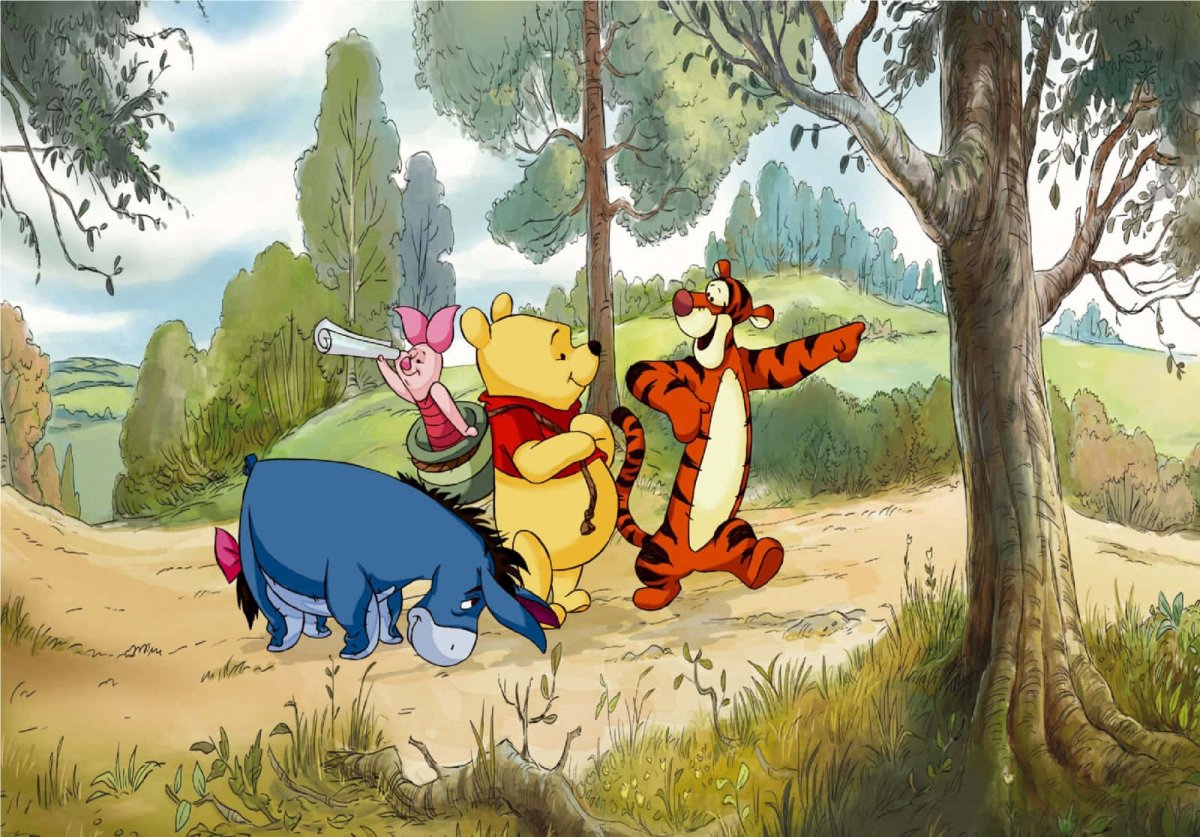
Winnie the Pooh woke one morning and was certain that it was a Wednesday. But just as certain as he was that it was Wednesday, he was also quite certain that yesterday was Monday.
Hmm, thought Pooh as he tapped his noggin. “Think think, think,” he said to himself. As he thought hard, he just couldn't make sense of it. “Surely I must be wrong on one of these things.” And so he decided that the best thing to do would be to consult with the other members of the Hundred Acre Wood. And so he went in search of his friends to find out just what day it was. Pooh first came across Rabbit, who was up early digging in his garden.
“Well, Pooh bear,” said Rabbit when asked what day it was, “haven’t you got a calendar for that sort of thing?”
“No,” said Pooh, but that might be a very good idea. “Thanks, Rabbit!” he said as he went on to seek out someone who might have a calendar. Pooh thought surely Owl might have one, and he went off to find him. On his way, Pooh came across Kanga and Roo and decided to check in with them on the day of the week.
“I’m sorry, Pooh, we haven’t been keeping track,” said Kanga.
“I like all of the days, because I get to play on each one!” exclaimed Roo.
“That’s true,” said Pooh, “there’s always something for each day, no matter which one it is.” Pooh skipped along after that and wondered if he really needed to know the actual day, but found it was hard not to think about it. Soon enough he spotted Owl high up in his tree.
“Hello, Owl,” said Pooh.
“Ah, Pooh, how may I be of service, my dear friend?”
“Well, I did wonder if you could help me with something, Owl. You see, I seem to have lost track of the day of the week, and I was wondering if you might have a calendar or something of the sort?”
“Oh, indeed, a calendar, well, no, actually, I haven’t got one, but let me tell you about the time that my Aunt Clara and I decided to fly across several time zones, we certainly lost track of the time and day when we did that. Would you like some honey, and I can tell you all about it?”
“Thank you for your kindness, Owl, but I better be going so I can find someone who can help me. Good day, Owl!”
“Good luck to you, Pooh!”
As Pooh continued along in the Hundred Acre Wood, it wasn’t long before he came across a bouncing Tigger.
“Hiya Pooh Bear, whatcha doing today?”
“Hi, Tigger! You’re just the Tigger I was looking for,” said Pooh.
“Well, what can I do for ya, Buddy Old Pal?” said a still bouncing Tigger.
“Well, I seem to have forgotten what day of the week it is, and I was wondering if you might be able to help me?”
“I’m happy you asked!”
“You are!?” said Pooh.
“Yep,” said Tigger. “But the answer is no can do, buddy old pal. Unless you know how to read the sun, then you can find out.”
“I can?” said Pooh, looking a little confused.
“Sure, it has something to do with angles and shadows and stuff, you’ll figure it out buddy bear! Woohoohoohoo!” said Tigger as he bounced off.
Alone again, Pooh bear wondered whether he could figure out the day of the week by looking at the sun. But as he turned his head to the sky, he saw that the sun wasn’t out today, in fact it was a very cloudy day.
“Oh dear,” said Pooh. Just as he did, an Eeyore with a cloud of his own came walking towards Pooh.
“Oh, hello Eyeore,” said Pooh.
“Hiii, Pooh Bear,” said Eeyore.
“I was just trying to see if I could read the sun to know what day of the week it is, like Tigger said, but the sun isn’t out today.”
“Nope, guess not,” said Eeyore. “Sounds hopeless to me.”
“Hmm,” said Pooh. “But there must still be a way. Perhaps our Christopher Robin will have an answer for me. I think I shall eat some honey and then go to find him. Would you like to come with me, Eeyore?”
“Nope, doesn’t make a difference to me what day it is, anyway.”
“Hmm, I suppose not. Good day Eeyore!” said Pooh as he rubbed his tummy ready for some honey. After a delicious snack of honey and a short nap, Pooh was ready to find Christopher Robin. It wasn’t long before Christopher Robin found Pooh first.
“Pooh Bear!” he said. “I’ve heard that you’ve been on a mission today to find out the day of the week.”
“Christopher Robin! You’re just the boy I was looking for.” Pooh started to recount the day’s adventures as he and Christopher Robin trotted through the woods.
“I can help you if you like, Pooh. I have a calendar at home.”
“Oh, that would be wonderful. Thank you Christopher Robin! Oh, and what about the sun. Should we check there too, like Tigger suggested?”
“The sun can help tell the time of day, Pooh, but not the day of the week.”
“Oh well, I suppose I’ll save that for another day, then.”
“Silly old bear,” said Christopher Robin.
And so they skipped together back to Christopher Robin’s house to check the calendar. When they learned that it was Saturday, Pooh said, “Ah yes, that was just what I thought…at least I think it was, anyway.”
Christopher Robin smiled. “You can have my calendar, Pooh, if you’d like.”
“That’s alright, Christopher Robin, I think you should keep it, for now. I think I like guessing."
“Suit yourself, Pooh,” smiled Christopher Robin. And so he did, skipping off a contented bear having spent a grand day with friends, honey, and a puzzle solved.
Later that evening, as Pooh got himself ready for bed, he thought to himself out loud, “I wonder what day it will be tomorrow.”
Short Story
You Are Nora
Gina Raymond
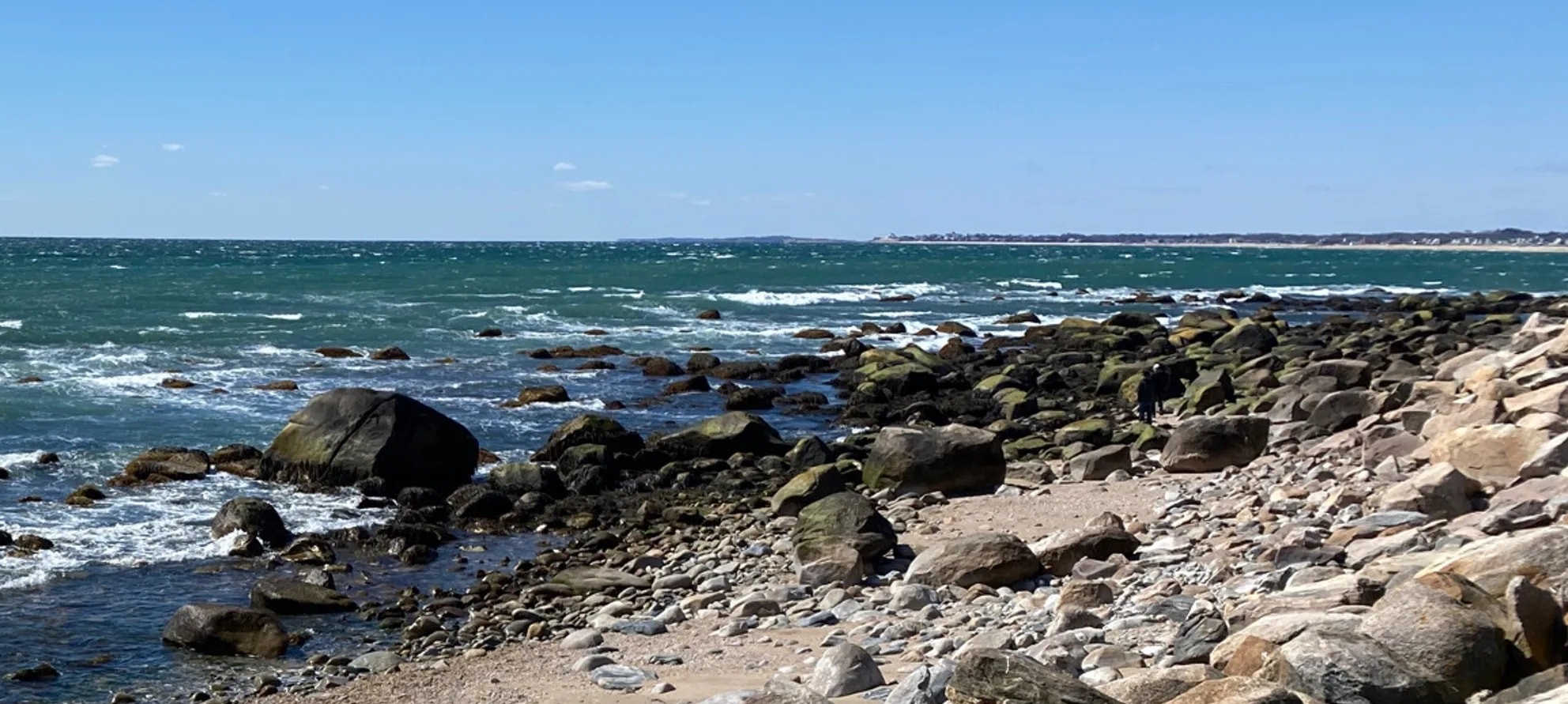
This story is based on "A Soul That Was Not At Home," by Lucy Maud Montgomery, also author of Anne of Green Gables. Read the original story here.
You are a boulder on the tide line on the North Atlantic coast of Canada.
A cluster of other boulders surrounds you. The tide pool at your foot is partially sheltered by you. In terms of shape, you are lumpy, and although nothing about you suggests a human form, you are about the same height as an adult woman. You are covered with lichen where the sun shines the most, and seaweed, barnacles, and mussels in other places.
When I say you are a boulder, I mean it. You are made of rock. You do not live. You have no gender, no social roles. No moving parts, at least on a macro level. You have no thoughts. No discomfort. You don't see or hear anything. There's no competition, no development, and no retirement, although you are slowly being eroded by the wind, water, and the grits of sand that flow over you at high tide.
Your fate is already decided. One day, the particles of what you are now will make up a beach. Parts of you will be shifted. They may go to form a sandbar or drift past the continental shelf to a deeper, colder bed. Your particles may form a layer of limestone or sandstone. They may be melted back down and taken inside the earth. Eventually, your very smallest pieces will separate until there is no more energy in the universe.
Right now, you are sitting on the tide line in the blinding sun. A human boy of eleven stands on the smaller boulder at your foot and to the side, steadying himself with his hands on your surface so as not to slip into the tide pool. The boy is named Paul. He has few human friends, so he makes friends with the boulders. He calls you his rock people. I don't know how many of you there really are, but I do know about the Twin Sailors, a pair of rocks of similar height not far from you. You are Nora.
Paul visits you almost every day, sometimes more than once. He is always telling you stories out of a notebook he calls his "foolscap book." "Foolscap" is an old-fashioned word for paper in sheets of about thirteen inches by sixteen inches. If I were Paul, I would be worried that the pages will blow away or fall into the tide pool. Fortunately, somehow, they don't.
Today there's a new story. Paul met an interesting person last night, a grown-up woman who approached him on the shore as he watched the sea at sunset.
"Miss Trevor is so educated, not like us," he says, tough little hands moving over your side. "She has no children, so she's travelled all around the world and knows an awful lot. She wears a white dress, bright as a winter moon.
"Of course I told her about you right away. And the Twin Sailors. She likes your stories, but I haven't shown her my foolscap book. I might someday. But we've only just met."
"She's going to love you, Nora, just wait and see." The boy spreads his arms wide and embraces you, his smooth cheek rubbing your lichened face. Then he leans backwards and looks at you. "Not as much as I do, of course."
Paul lives in a shack with a man named Stephen, who once expected to marry Paul's mother. The boy has told you, Nora, the story of his mother's death. She was a shore girl who married a town man. But she loved the shore too much to survive in town. Longing for the shore drained away her strength, and though she stole back to the sea one night, bringing her child with her, she did not recover.
Paul was six when he first met you and the Twin Sailors. Stephen, a good guardian, asked if he could meet you, too. So one sunny day, at low tide, the two picked their way over the dry-topped rocks.
"Here she is," said the child. "Nora."
Stephen stepped forward to look at you. "She's a mighty pretty girl, Paul, just like you said." He nodded at you. "Mind if I ask some questions?"
"Oh, it's fine with her, Stephen," said Paul. "You just go ahead."
"It's nothing personal, Miss Nora. I interview all of Paul's new friends this way. His mother would have wanted to know who her boy was spending time with."
"She says she understands fine."
The man's voice was kindly. "How old are you, my dear?"
They waited a few seconds. Then Paul said, "She is my age."
"How long have you lived by the shore?"
"Since she can remember. She was born here."
"And where are your parents? Will we have the privilege of meeting them?"
"Her parents are very poor and must work hard. Her father is a sailor who travels all around the world. He is shipmates with the Twin Sailors' father. Her mother is a seamstress. She is always nearby, but cannot stop sewing, or they may lose the roof over their heads."
"It's a blessing to have two hardworking parents." Stephen rubbed his stubbled cheek. "Well, my dear, it has been a pleasure to meet you. I am sure you will be a good friend to Paul."
Then turning, he said, "Now the Twin Sailors. These are the fellows, aren't they?" And he interviewed the Twin Sailors in a similar way.
Through all this, you sat, solid and silent, the lichen on your surface dry and cracked in the chilly shore breeze.
I thought about giving you, the boulder in this story, thoughts and feelings. But I ultimately decided not to, even though some readers might want you to have them. It's important to me personally that you are a real boulder. I'll keep my reason to myself for now.
Beyond the personal, there are practical reasons not to give you thoughts and feelings. Reader comfort, for one. Readers understand what a boulder is. They've seen and probably even climbed around on boulders like you. They appreciate you how you are. But showing readers what goes on in your head will disrupt this relationship. A thinking and feeling boulder experiences things that no human could ever understand. Readers will not even know what they are looking at.
I know what you're going to say—other writers have written about the inner lives of nonhuman beings, and it was no problem for readers. I'm certainly willing to admit that an unscrupulous writer can arrange things so readers think they are coming in touch with a consciousness unlike their own. But it's all to flatter the reader. Some consciousnesses just can't be understood by outsiders. You and I will know what's going on in your mind, but readers will be repulsed or bored, and I would never put you through that kind of alienation.
Believe, it's better that you are a real boulder, with no consciousness and no pulse, especially now that, for about five years, a boy has been telling you that you are Nora.
You hear more about Miss Trevor.
"The setting sun over the land turned the sea a shining red. She saw me first, sitting on a rock, watching the water. She said I looked noble and fine, like a prince, and that she felt she'd known me for years and already loved me. Two certain people can love each other at once, if they are the right people. But you and I know that, Nora," he says, smiling at you.
"Oh, Nora, she's old! Much older than we are. Why, she may be close to forty. That's older than Stephen." He laughed. "And here you and I are, young and free, with our whole lives in front of us.
"Miss Trevor says she will come to visit me every day. I do think I could love her. She loves me. She says she wants to help me. I'm close to showing her my foolscap book."
According to Paul, the Twin Sailors are always sailing the world and then coming back and telling him stories. He writes them down and repeats them to you.
"The Youngest Twin Sailor was sailing, and he sailed right into a moonglade. A moonglade is the track the full moon makes on the water when it is rising from the sea. Well, the Youngest Twin Sailor sailed along the moonglade till he came right up to the moon, and there was a little golden door in the moon and he opened it and sailed right through."
Paul says that you tell him stories, too. But in my opinion, they're not the real stories a boulder would tell, even if boulders could tell stories.
It's not the first time that Paul has met an interesting older woman. Before Miss Trevor, there was the Golden Lady of the Cave. Paul has never told you about the Lady. But he has told the Twin Sailors.
"One day I found a big cave down the shore and I went in and in—and after a while I found the Golden Lady. She has golden hair right down to her feet, and her dress is all glittering and glistening like gold that is alive. And she has a golden harp and she plays all day long on it—you might hear her music if you'd listen carefully.
"I've never told Nora about the Golden Lady, because I think it would hurt her feelings. It even hurts her feelings when I talk too long with you Twin Sailors. And I hate to hurt Nora's feelings, because I do love her best out of everyone."
I am told that long ago, people in stories were types, not people. Types like "the grieving widower." "The jealous maiden." No matter what story they showed up in, the role was the same. Those listening to the story knew what to expect. Like how we know what to expect from you, the boulder.
Then personation happened. Personation is when story people are more like real people. The grieving widower has a story outside the story of the death of Paul's mother. The jealous maiden has a soft spot for a poor shore boy.
Despite my decision not to give you thoughts and feelings, it's hard not to think of you as a person. It feels natural to give you a journey. For instance, I could make it so you sleep through most of your existence, but when Paul comes, you wake up. This encounter with a human touches you. Changes you.
Think about it. For the first time ever, you are being told that you are Nora, a person. Maybe it dawns on you that there is such a concept as personality. Perhaps you, too, can stick out to yourself in the way you do to Paul. Such a train of thought leads to a time in which you imagine that, if not Nora, you might at least be someone.
It's a nice idea, but I can't help thinking it wouldn't be good for you. Just imagine what might happen. You start exploring your personality, at first in basic ways, like noticing how it feels when the sun beats down on you or when you are under salt water for hours on end. Then, subtler ways, like discovering feelings of protectiveness or irritation towards the tide pool creatures you shelter.
But as you are discovering yourself, that Paul, he keeps calling you Nora. Telling you what your background is. Repeating stories he says came from you. Does that sound like any fun? You might end up feeling cursed. I can't let you go through that.
So, for this and other reasons, you don't see Paul, or Stephen, or Miss Trevor in this story. You don't see the beach or hear the waves. You don't live in a dream. You are a solid piece of rock among other solid pieces of rock, on a planet that is mostly rock, although, unlike you, most of it is molten.
Paul begins to show up worried.
"Miss Trevor says I am a natural genius and that I ought to be educated. She wants to take me to a city so that I can go to school. She will be a mother to me and make sure that I am successful.
"I do love Miss Trevor. But I will never go, Nora. I couldn't leave you. Or the Twin Sailors or Stephen." He throws his arms around you.
Then he starts to tell you a tale from his foolscap book. While he is speaking, you don't think of the patterns in the story. Your mind doesn’t drift, for example, to the Golden Lady, the way she might represent the sun, and Miss Trevor the moon. You don't wonder whether Miss Trevor is real, or, like Nora, a made-up person.
It is disturbing to read a story in which we see nothing of ourselves. It makes us see that the author can imagine a world in which we do not exist. That is the feeling I had when I read the story this story is based on, "A Soul That Was Not At Home," by Lucy Maud Montgomery.
The story disturbed me for other reasons, too. Miss Trevor seems like she might have a physical attraction to eleven-year-old Paul, and I couldn't find closure in the ending, which is unusual for Montgomery's short works. And whose soul was not at home?
The part of the story I could have seen myself in was offscreen. It was you, the boulder that Paul calls Nora. You've made me wonder whether the particles that make up my body remember what it was like to be non-living matter. I think they must, because of how much they dislike change. They rebel against the constant holding-on and shoring-up that is the business of the living body. How free it must have been to belong to matter without senses. How free it must be to be you.
Don't be thinking I really think you are a boulder. I know you are a human being. I'm only telling you you're a boulder. You're the boulder that Paul says is Nora.
One day, Paul is out of breath. He is wearing town clothes and crying.
"I came back, Nora. I went away with Miss Trevor. I was going to go to school. But when it was night, and I was alone in the dark, in that big bed with deep pillows that smelled like flowers, I knew I couldn't stay there.
"Don't be cold to me. I couldn't bear it. I know I never even said goodbye to you. I was too ashamed to say goodbye.
"But I couldn't go through with it, Nora. I love you too much." His tears wet your side. "I'll never leave you again. We'll always be together. Say you forgive me."
A human boy is looking at you imploringly and waiting for a response.
I considered giving Miss Trevor a moment with you. She's sure to come looking for Paul, and when she doesn't find him at the shack, she'll come down to the beach. She'll wander further than normal in her desperation to find him. The rock people have been a source of curiosity since that first sunset meeting. Until now, she's been too shy to intrude on that part of Paul's inner life. She's braver now that, as she considers, he broke trust first.
Maybe, somehow, she recognizes you. She sits down at your foot to look at you and think. After a while, she begins to talk, to tell you all her thoughts and feelings about Paul. Who he is. Who he could be. She explains her childlessness, and how she hoped to mold him.
Perhaps some of her material feelings will now be directed to you, Nora. Or maybe the maternal one will be you, and she will be the daughter. Maybe Miss Trevor will start to cry, a healthy, cleansing cry that will leave her feeling clear-headed.
But I did not make it that way, because I do not believe Miss Trevor would be able to recognize you among the other boulders. When she comes looking for Nora, she walks right past you.
I thought about writing an ending where Paul eventually does go away to school and becomes a geologist. He will tell his friends and family that, as a boy, he "fell in love with rocks. And that's not just a metaphor."
As a geologist, Paul will come to know you as no one else ever has. He will be able to tell you where you came from, which parts of you are what, and how the progress of your erosion is likely to look over time.
He will lead his partner and children to the shore someday to see you. "There she is. The one who started it all."
But I did not write it like that, because it would not make a difference to you. You are a boulder among boulders on the tide line of the North Atlantic shore. You are hit by waves, dried in the sun, crusty with salt, topped with snow and ice, and slimy with sea moss.
I'll tell you the truth. You might already have guessed it. My reason for making you a boulder with no thoughts or feelings is simply selfish. I am worn out. I dearly wish it were me who was the boulder in this story: Quiet. Unknowing. Unperceiving.
I never will be that boulder, of course. Although it's inevitable that I will someday take on some boulder-like qualities, like not breathing and having no thoughts or feelings.
Just imagine: long ages from now, some of my molecules might even make up part of a real boulder. That thought cheers me up a little.
But while I live, if I can't be the boulder, then, my friend, it might as well be you.
Coaching services and groups

AuDHDers: Work for Yourself Without Burning Out.
A new course from Autism Chrysalis.
Self-employment for Autistic women and gender nonconfoming people shouldn't mean burnout. Learn:
- Executive function hacks
- Marketing without masking
- Pricing without anxiety
- Client boundaries that stick
Build a sustainable solo business that works WITH your brain.
AuDHDers: Work for Yourself Without Burning Out is coming soon!
Sign up here to get info delivered to you when it's ready, and save your future self the executive function load: http://www.autismchrysalis.com/audhd-solopreneur
_______________________________________
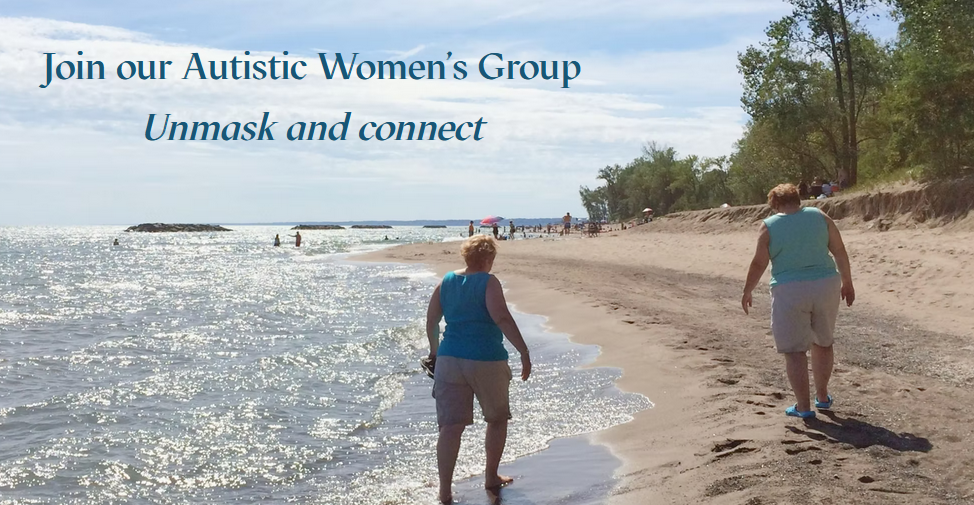
Unmask & Connect
A group for autistic and AuDHD women and gender nonconforming people
You're invited to join Unmask & Connect, a group for autistic and AuDHD women and gender nonconforming people who want a place where they can show up authentically as their true selves and connect with themselves and one another.
You'll be able to:
∞ Learn practical strategies for unmasking
∞ Share experiences without judgment or explanation
∞ Practice unmasking in a safe, supportive environment
∞ Build genuine connections with people you can relate to
Details
👥 Limited to 8 participants
🔒 Cohort-based to build trust and connection
💻 12 sessions via Google Meet
🏳️⚧️ Inclusive: open to cis and trans women; nonbinary, agender, autigender, and gender fluid people
🗓️Visit www.UnmaskAndConnect.com to learn more.
Two spaces in this cohort are reserved at no cost for AWG members. The standard cost is $147 for the full 12-week program.
Any questions? Email me at mary@audhdwomen.com or text me at 716-320-0220.
Bathrobe Comics
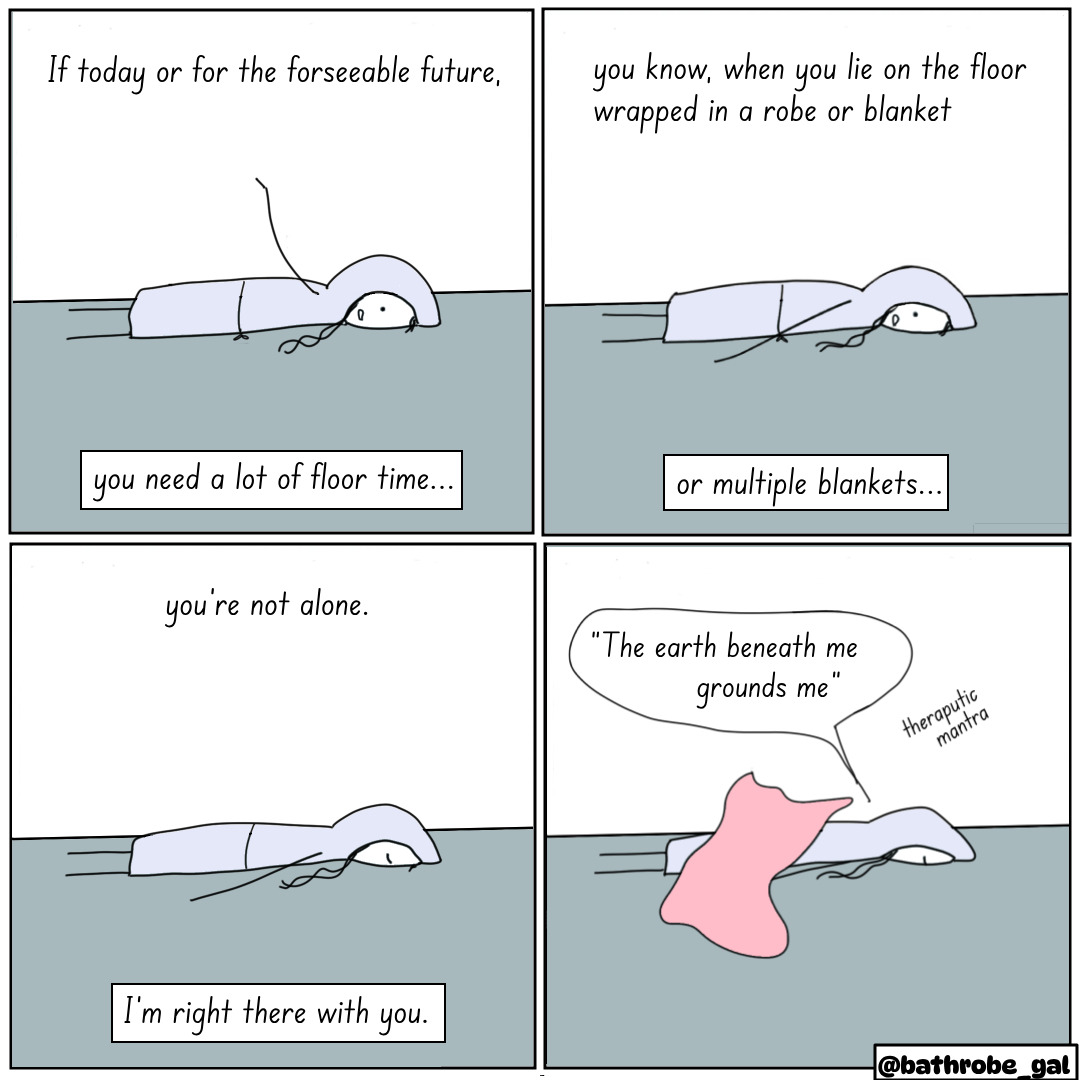
Right Here With You
Sarah Jane Cody
https://instagram.com/bathrobe_gal
First published on Jan 22, 2025, on the Bathrobe Gal website

Sticker
I Think You're Cool
Elissa Fox